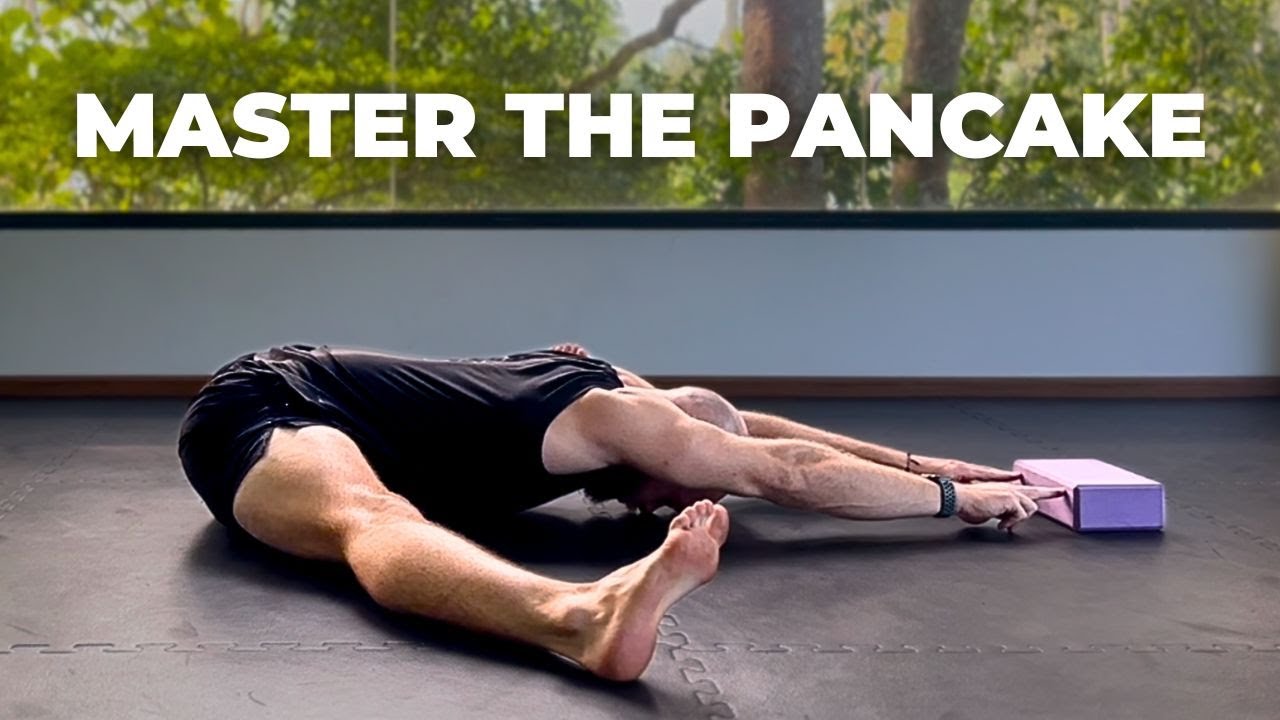
In our increasingly sedentary world, the pursuit of optimal physical health often overlooks a crucial component: hip flexibility. From office workers to elite athletes, tight hips are a common ailment, silently undermining posture, athletic performance, and overall well-being. This comprehensive guide will equip you with the knowledge and tools to master your hip flexibility, specifically targeting the essential iliopsoas and hip flexor muscles. While the term 'stretch' might evoke various associations – from extending a limb to the intriguing story of individuals like Randy Walker (Stretch), the renowned hip-hop producer, whose tragic fate remains a subject of discussion – this article focuses squarely on the profound benefits and practical application of physical stretching for your hips. Prepare to unlock a new level of comfort, mobility, and strength.
Understanding Your Hip Flexors: The Unsung Heroes of Movement
The hip flexors are a group of muscles located at the front of your hip, responsible for bringing your knee towards your torso, or your torso towards your knee. They play a pivotal role in almost every movement we make, from walking and running to sitting and standing. At the heart of this group is the iliopsoas, a powerful duo comprising the iliacus and psoas major muscles. These deep-seated muscles connect your spine and pelvis to your femur (thigh bone), making them critical for spinal stability and hip flexion.
Other key players in the hip flexor complex include the rectus femoris (one of the quadriceps muscles that crosses both the hip and knee joints), the sartorius, and the tensor fasciae latae (TFL). When these muscles become tight, often due to prolonged sitting, repetitive movements, or a lack of stretching, they can pull on the pelvis, leading to a cascade of issues throughout the body.
The Profound Benefits of Prioritizing Hip Flexibility
Ignoring hip flexibility is akin to neglecting the foundation of a building; eventually, cracks will appear. By actively working to stretch and lengthen your hip flexors, you can unlock a wealth of physical benefits that significantly enhance your quality of life.
- Alleviated Lower Back Pain: One of the most common consequences of tight hip flexors is lower back pain. When these muscles are short and restricted, they tilt the pelvis forward (anterior pelvic tilt), compressing the lumbar spine. Stretching helps to restore a neutral pelvic position, taking pressure off the lower back.
- Improved Posture: A neutral pelvis is fundamental for good posture. Flexible hip flexors allow your pelvis to sit correctly, promoting a more upright and aligned spine, which in turn reduces strain on your neck and shoulders.
- Enhanced Athletic Performance: For athletes, flexible hips translate directly to improved performance. They allow for a greater range of motion, increased power in movements like running and jumping, and better efficiency in sports-specific actions. A proper hip stretch routine can unlock new levels of agility and speed.
- Reduced Risk of Injury: Tight muscles are prone to injury. By improving the elasticity and range of motion of your hip flexors, you reduce the likelihood of strains, pulls, and compensatory injuries in other areas like the hamstrings, knees, and even ankles.
- Better Everyday Movement: Simple daily tasks like bending, squatting, or getting in and out of a car become easier and more comfortable when your hips are flexible. You'll experience less stiffness and greater freedom of movement.
Preparing for Your Stretch Session
Before diving into deep stretches, it's vital to prepare your body. A short warm-up (5-10 minutes of light cardio like walking or cycling) increases blood flow to the muscles, making them more pliable and reducing the risk of injury. Remember to breathe deeply and consistently throughout your stretches, using your exhale to deepen the movement. Always listen to your body; stretching should feel like a gentle pull, not sharp pain. Consistency is your greatest ally in achieving lasting flexibility.
Essential Stretches for Deep Hip Flexor Release
These targeted stretches will help you effectively lengthen and release tension in your iliopsoas and other hip flexors. Perform each stretch for 30 seconds on each side, repeating 2-3 times.
The Kneeling Hip Flexor Stretch (Lunge Variation)
This is arguably the most effective and widely recommended stretch for targeting the iliopsoas and rectus femoris. It builds upon the foundational concept of extending the hip while stabilizing the pelvis.
- Starting Position: Kneel on the ground with one knee down (e.g., your left knee) and the other foot flat on the floor in front of you (e.g., your right foot), creating a 90-degree angle at both knees. Place a cushion under your kneeling knee for comfort if needed.
- Pelvic Tilt: Engage your core and gently tilt your pelvis backward, tucking your tailbone slightly. Imagine flattening your lower back. This slight posterior pelvic tilt is crucial as it helps isolate the stretch to the hip flexors and prevents you from compensating by arching your lower back.
- Lean Forward: Keeping your upper body upright and your core engaged, slowly lean your weight forward onto your front leg. You should feel a deep stretch in the front of the hip of your back (kneeling) leg.
- Deepen the Stretch: To further enhance the stretch, you can gently push your hips forward while maintaining the pelvic tilt. Avoid letting your front knee go past your ankle. For a deeper iliopsoas stretch, raise the arm on the same side as the kneeling leg straight overhead, and consider a slight side bend away from the kneeling leg.
- Hold and Repeat: Hold the stretch for 30 seconds, breathing deeply. Release and gently switch sides. Repeat 2-3 times per side.
Common Mistake: Arching the lower back. This indicates you're compensating and not effectively stretching the hip flexors. Focus on that subtle posterior pelvic tilt.
Standing Dynamic Iliopsoas Release
This stretch offers a more dynamic approach and can be easily incorporated into a warm-up or as a quick release during the day.
- Starting Position: Stand with your feet staggered, one foot slightly forward and the other foot back. Keep your back knee slightly bent for stability and to protect the joint.
- Pelvic Engagement: Similar to the kneeling stretch, gently tilt your pelvis backward, engaging your glute on the back leg. This helps to lengthen the hip flexor.
- Shift Weight: Slowly bring your weight forward onto your front leg, maintaining your upright posture and the pelvic tilt. You should feel a stretch in the front of the hip of your back leg.
- Neutral Spine: Ensure your back remains in a neutral position throughout the stretch, avoiding excessive arching or rounding.
- Hold and Repeat: Hold for 20-30 seconds, then return to the starting position and switch legs. Repeat 2-3 times per side.
Tip: For added stability, you can hold onto a wall or sturdy object.
Prone Quad Stretch (Targeting Rectus Femoris)
While often called a quad stretch, this prone position effectively targets the rectus femoris, which is a major hip flexor due to its attachment above the hip joint.
- Starting Position: Lie on your stomach (prone position) on a mat or soft surface.
- Grab Your Foot: Bend one knee and reach back with the hand on the same side to grab your ankle or foot. If you can't reach, use a towel or strap looped around your foot.
- Gentle Pull: Gently pull your heel towards your glutes. The goal is to feel the stretch in the front of your thigh and, importantly, the front of your hip.
- Pelvic Stability: Keep your pelvis pressed gently into the ground to prevent arching your back. You can also press the hip bone of the stretched leg slightly into the floor.
- Hold and Release: Hold for 30 seconds, breathing deeply into the stretch. Release slowly and switch to the other leg. Repeat 2-3 times per side.
Progression: If this feels too intense, you can perform a standing quad stretch by holding onto a wall for support.
Elevating Your Flexibility Journey: Advanced Tips & Practices
- Integrate into Daily Routine: Don't relegate stretching to an occasional event. Incorporate 5-10 minutes of hip flexor stretches into your morning routine, before and after workouts, or during breaks if you sit for extended periods.
- Dynamic vs. Static Stretching:
- Dynamic Stretches: Perform these before exercise. Examples include leg swings (forward/backward and side-to-side) and walking lunges. They prepare your muscles for activity by increasing blood flow and range of motion.
- Static Stretches: Hold these for 20-30 seconds, ideally after your workout when muscles are warm, or as part of a dedicated flexibility session. These are the stretches described above.
- Foam Rolling: Use a foam roller to target tight spots in your quadriceps, TFL, and even gently around the hip flexors themselves (with caution, as these are deep muscles). This can help release myofascial tension before stretching.
- Mind-Body Connection: Pay attention to how your body feels during each stretch. Focus on relaxing into the stretch and using your breath to deepen it. This mindfulness enhances effectiveness and prevents injury.
- Consistency and Patience: Flexibility is a journey, not a destination. Consistent effort over time will yield the best results. Don't get discouraged if progress feels slow; every stretch contributes to greater mobility.
Mastering hip flexibility is a powerful investment in your body's longevity and performance. By regularly implementing these essential iliopsoas and hip flexor stretches, you'll not only alleviate discomfort and prevent future issues but also unlock a new realm of movement freedom. Commit to this journey, and your hips will thank you by supporting a stronger, more mobile, and pain-free life.